
Cost of Living in Mauritius for Expats: A Realistic 2026 Breakdown
16 August 2026 Olaya Properties5 min read
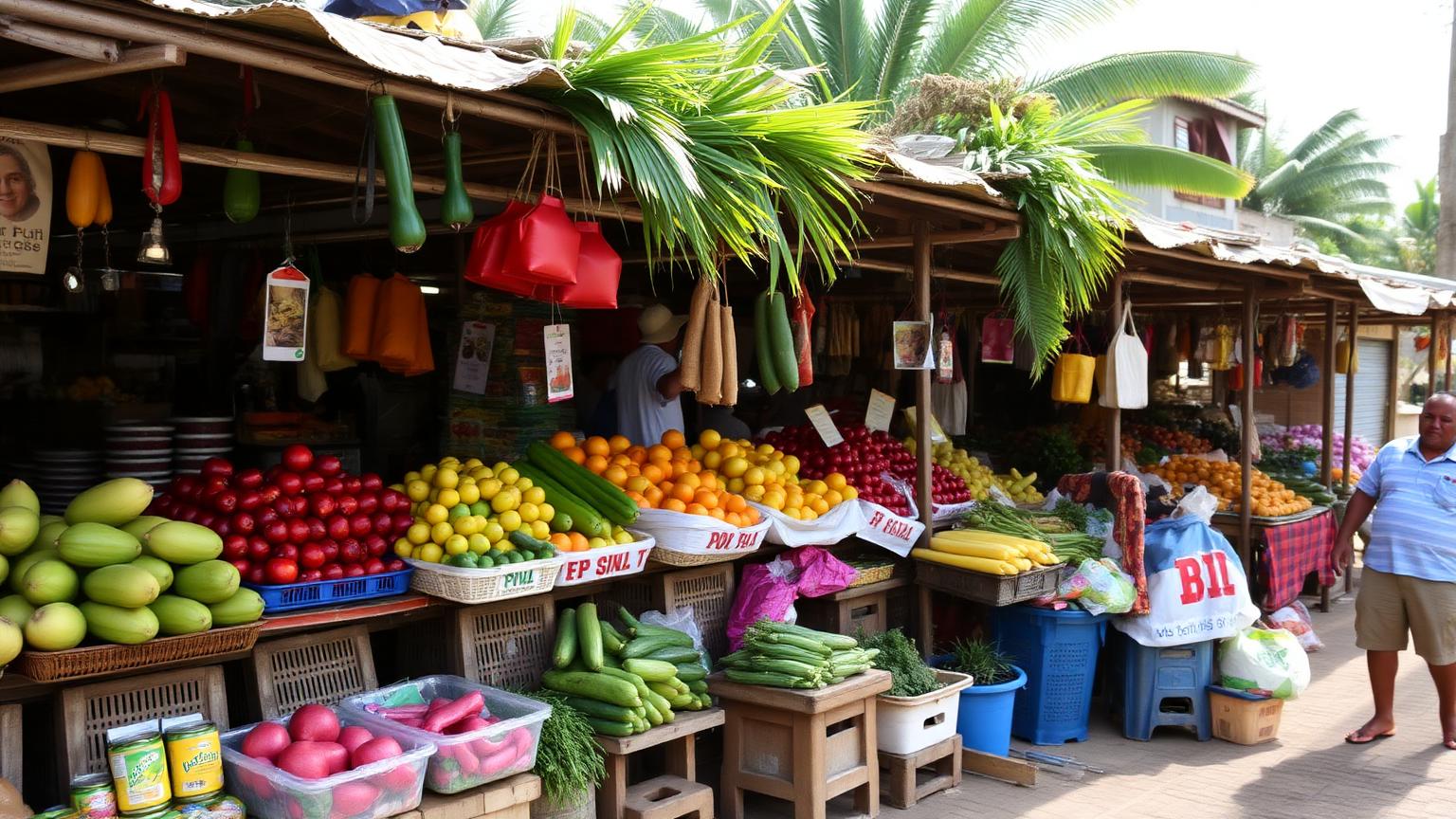
A single expat living modestly in Mauritius might expect to spend roughly MUR 40,000–70,000 per month excluding rent, while a family with private schooling, a car and private healthcare can easily spend several times that. Housing and international school fees tend to be the largest and most variable costs, so overall cost of living depends heavily on lifestyle choices and where you live on the island.
All figures below are indicative ranges rather than fixed prices, intended to help with rough budgeting — actual costs vary by household size, region and personal preferences.
Housing Costs
Renting
Monthly rents vary widely by region and property type:
- A one- or two-bedroom apartment in the north or west might range from roughly MUR 25,000 to 60,000 per month.
- A three- to four-bedroom villa with a pool, particularly in sought-after areas, can range from roughly MUR 80,000 to 250,000+ per month.
See current listings on rent for a real-time sense of pricing in your target area.
Buying
If you prefer to buy rather than rent, review our buying guide and our market outlook for indicative pricing, and factor in the taxes and fees that apply on top of the purchase price.
Utilities
Electricity, water and gas costs depend on household size and air-conditioning use, which is often the biggest variable given the tropical climate. Fibre internet is widely available and generally affordable by international standards.
Groceries and Eating Out
- Local produce, fish and staples are generally affordable.
- Imported goods (specialty cheeses, certain wines, some packaged foods) carry a premium due to import duties.
- Eating out ranges from inexpensive local eateries to higher-end restaurants aimed at tourists and residents in the north and west, where prices approach European levels.
Transport
- Many expats choose to buy or lease a car, as public transport, while functional, is less convenient for those living outside town centres.
- Fuel prices are regulated and revised periodically; car import duties can make new vehicles relatively expensive, though the second-hand market is active.
- Ride-hailing and taxi services are available, particularly in and around the north and Port Louis.
Healthcare
Mauritius has both public and private healthcare systems. Many expats opt for private clinics and international health insurance for faster access and a wider range of services, particularly for anything beyond routine care. Budgeting for private health insurance premiums is worth doing early, as costs rise with age and coverage level.
Education
International and private schools, particularly in the Moka/Ebène corridor and parts of the north, are a significant cost for families, with annual fees that can range widely depending on curriculum (British, French, IB) and school reputation. This is often the single largest recurring cost after housing for families relocating with children.
Domestic Help and Property Services
Domestic help, gardening and pool maintenance are relatively affordable and common among both local and expat households, and can be a meaningful quality-of-life factor for those used to higher costs elsewhere. If you own rather than occupy your property year-round, a property management service can bundle maintenance, security and rental administration.
Putting Together a Realistic Monthly Budget
A rough illustrative range for a couple living comfortably, excluding rent or mortgage:
- Groceries and household: MUR 20,000–35,000
- Utilities and internet: MUR 5,000–12,000
- Transport (car, fuel, insurance): MUR 10,000–20,000
- Health insurance: MUR 5,000–15,000 depending on age and coverage
- Leisure and eating out: MUR 10,000–25,000
Add rent (or mortgage) and, if applicable, school fees on top, and totals can vary enormously between a modest single-person budget and a family lifestyle with private schooling and a larger home.
Ways to Manage Costs
- Choose a region that matches your budget rather than defaulting to the most fashionable area — our region-by-region guide can help.
- Compare buying versus renting once you know how long you plan to stay, since transaction costs make short stays less favourable for buying.
- Shop local markets for produce and reserve imported goods for occasional treats.
Talk to Olaya Properties
If you are relocating to Mauritius and want a realistic sense of housing costs for your target lifestyle and region, we can help you compare options across rentals and properties for sale.
- Phone: +230 5511 1510
- Email: sales@olaya.mu
- Contact us for tailored guidance, or explore more on our insights page.
Comparing Mauritius to Other Popular Expat Destinations
Relative to Western Europe, day-to-day living costs in Mauritius — particularly groceries, domestic help and dining at local establishments — are generally lower, while imported goods, private schooling and premium housing can approach or exceed European price points. Compared with other Indian Ocean or African expat hubs, Mauritius tends to sit in the middle: not as inexpensive as some neighbouring markets, but offering a more developed infrastructure, stable currency management and stronger property rights, which many expats view as worth the premium.
Currency and Banking Considerations
Most expats maintain a local bank account for day-to-day expenses, alongside accounts in their home currency for savings and larger transfers. The Mauritian rupee can fluctuate against major currencies, which affects the real cost of living for those earning in foreign currency and spending locally, or vice versa. Budgeting with a buffer for currency movement is sensible, particularly for retirees relying on a fixed pension income from abroad.
Seasonal Cost Variations
Utility costs, particularly air-conditioning-driven electricity bills, rise noticeably during the hot, humid months from November to April, while heating is rarely needed even during the cooler winter months. Tourist-season pricing can also affect certain services and restaurant costs in peak areas like the north, so those on a tighter budget may find better value dining and shopping slightly away from the most touristic strips.
First-Year Setup Costs
Beyond ongoing monthly costs, new arrivals should budget for one-off setup expenses: a rental deposit (often two to three months' rent), furniture if renting unfurnished, vehicle purchase or lease setup, and possibly private health insurance enrolment fees. These upfront costs can be substantial and are sometimes overlooked when comparing only recurring monthly budgets, so building them into a first-year relocation budget avoids unpleasant surprises.