
Residency in Mauritius Through Property Investment: Permits Explained
18 August 2026 Olaya Properties5 min read
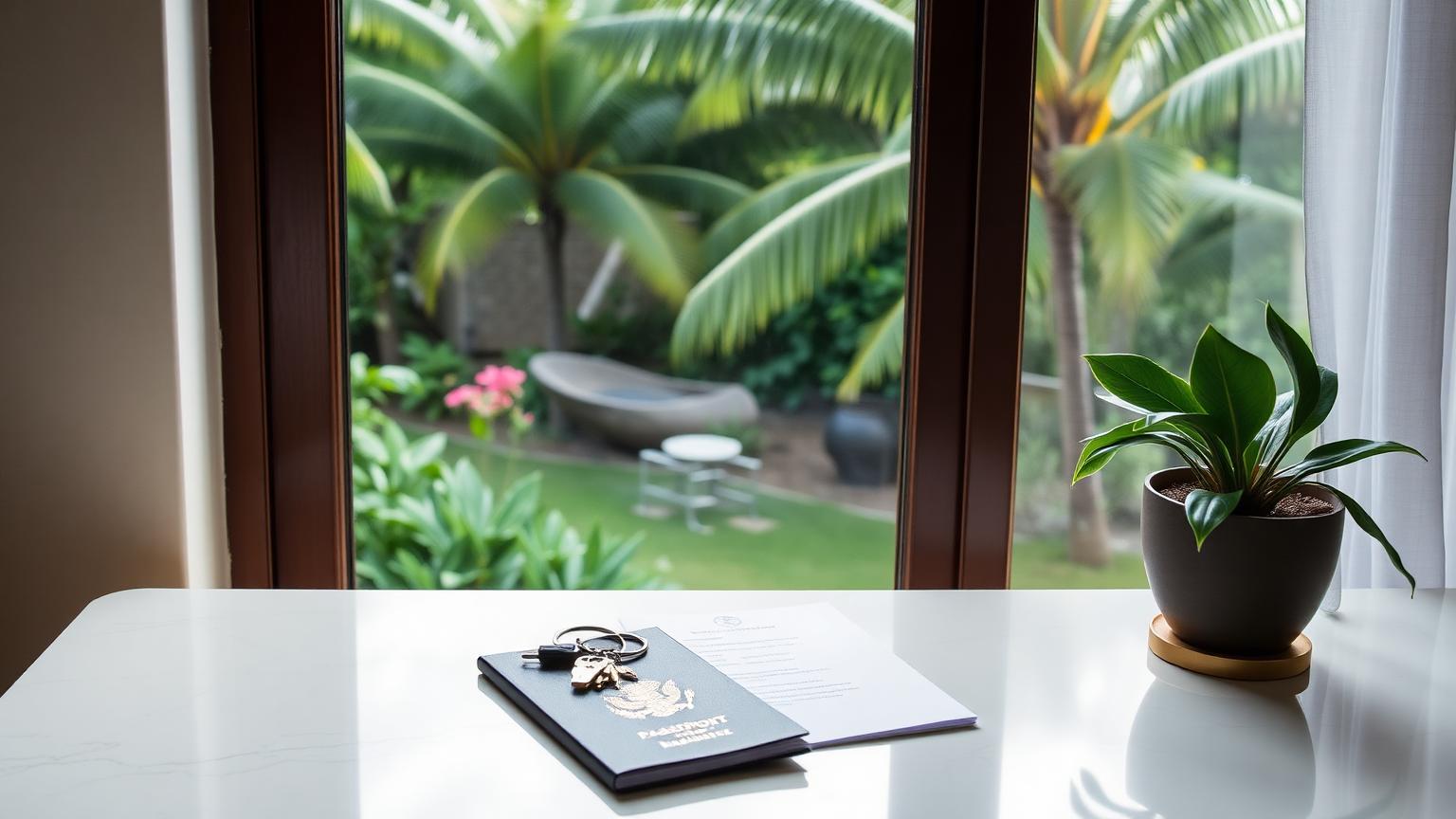
Foreign nationals can obtain Mauritian residency by purchasing qualifying property, typically through schemes such as the PDS, RES, IRS, Smart City and Ground+2 apartment developments, provided the investment meets the minimum threshold, currently around USD 375,000. This residency permit generally covers the buyer, spouse and dependents, and remains valid for as long as the property is owned.
This article summarises how the main routes work in general terms. Because rules and thresholds can be revised by the Economic Development Board (EDB) and other authorities, buyers should always confirm current requirements with a licensed notary or immigration specialist before committing to a purchase.
The Main Property-Linked Residency Routes
PDS (Property Development Scheme)
The PDS replaced earlier schemes (IRS/RES) as the main framework for mixed residential developments open to foreign buyers. Purchasing a PDS unit above the minimum investment threshold typically entitles the buyer and immediate family to a residence permit tied to ownership of the property.
Smart City Scheme
Properties within approved Smart City projects — often larger mixed-use developments combining residential, commercial and leisure components — can also carry residency rights, subject to the same general investment threshold.
Ground+2 (G+2) Apartments
Foreigners can buy apartments in buildings of at least two floors above ground level without needing EDB pre-approval for the purchase itself, provided the price is above a set minimum (historically around USD 375,000 for a residency-qualifying purchase, though lower-value G+2 apartments can be bought without residency rights attached). This is often a more affordable entry point than IRS/PDS villas.
Who Is Covered by the Permit
A residency permit obtained through property investment generally extends to:
- The main investor/buyer.
- Their spouse or partner.
- Dependent children (commonly up to a certain age, sometimes extended for full-time students).
It is worth checking current dependent-age rules directly, as these details can change.
Duration and Renewal
Unlike some countries' "golden visa" programmes, the Mauritius residency permit linked to property is tied to continued ownership — if the property is sold, the residency permit generally lapses. There is no fixed multi-year renewal cycle in the way employment permits work; instead, validity is effectively linked to the underlying investment.
Steps in the Process
- Select a qualifying property — see current developments and properties for sale that meet residency thresholds.
- Sign a reservation agreement and deed of sale via a Mauritian notary.
- Transfer funds through the banking channels required for foreign investment, ensuring compliance with anti-money-laundering documentation.
- Apply for the residence permit through the relevant authority once the purchase is registered.
- Renew supporting documentation (health insurance, proof of address, etc.) as required to maintain the permit.
Costs Beyond the Purchase Price
Buyers should budget for registration duty, notary fees and other transaction costs, which are separate from the property price itself. Our detailed breakdown of property taxes and fees in Mauritius covers these in full.
Why Buyers Pursue This Route
- Access to a stable, English- and French-speaking jurisdiction with a favourable tax regime.
- A lifestyle draw — sea, climate and safety are commonly cited reasons, alongside the practicalities covered in our guide to the best places to live in Mauritius.
- Portfolio diversification, often paired with rental income managed through a property management service while the owner is abroad.
Common Questions
Can I work in Mauritius on this permit?
Property-linked residence permits are generally for residency rather than automatic work authorisation; separate permits are usually required to take up local employment.
Can I rent out my property while holding residency?
Yes, many owners in PDS and Smart City schemes let their properties, often via structured rental pools — see our rentals section and property management services for details.
What happens if I sell?
Selling the qualifying property generally ends the associated residence permit, so timing a sale should factor in any residency implications for the household — our selling guide covers the practical steps.
Talk to Olaya Properties
Considering a property purchase in Mauritius partly for its residency benefits? Our team can point you towards qualifying developments and coordinate with notaries and immigration advisers.
- Phone: +230 5511 1510
- Email: sales@olaya.mu
- Get in touch to discuss which scheme fits your situation, or browse our insights for more on buying in Mauritius.
How This Compares to Other Residency Routes
Mauritius also offers residency through employment, retirement (via the Premium Visa or Residence Permit for retirees with sufficient monthly income), and business investment. Property-linked residency is often the preferred route for those who want a tangible asset alongside their residency status, rather than relying on an income stream or employment contract that could change. Retirees who do not wish to purchase property may instead consider the retired non-citizen residence permit, which is based on transferring a minimum monthly amount into a local bank account rather than buying real estate — a useful point of comparison when weighing up options.
Tax Residency Considerations
Holding a residence permit is a separate matter from becoming a tax resident of Mauritius, which generally depends on the number of days spent on the island in a given year. Buyers interested in the tax advantages sometimes associated with Mauritius residency — such as the absence of capital gains tax on property sales in many cases, and a relatively low flat income tax rate — should seek dedicated tax advice, since the residence permit itself does not automatically confer tax residency. It is a common misconception that buying a qualifying property alone changes an individual's tax position in their home country, so professional advice spanning both jurisdictions is strongly recommended.
Due Diligence Before You Commit
Because residency is tied to a specific property, due diligence on the property itself is just as important as understanding the permit rules. Buyers should verify:
- That the development holds valid EDB approval under the scheme it is marketed as (PDS, Smart City, etc.).
- That the notary handling the transaction is independent and reputable.
- That service charges, common area maintenance costs and any resort or rental-pool obligations are clearly disclosed before signing.
Working with an established agency when reviewing developments can help buyers avoid schemes that are not fully compliant, which could otherwise jeopardise both the investment and the associated residency status.