
Short-Term Rentals in Mauritius: Rules, Returns and Running an Airbnb
10 August 2026 Olaya Properties5 min read
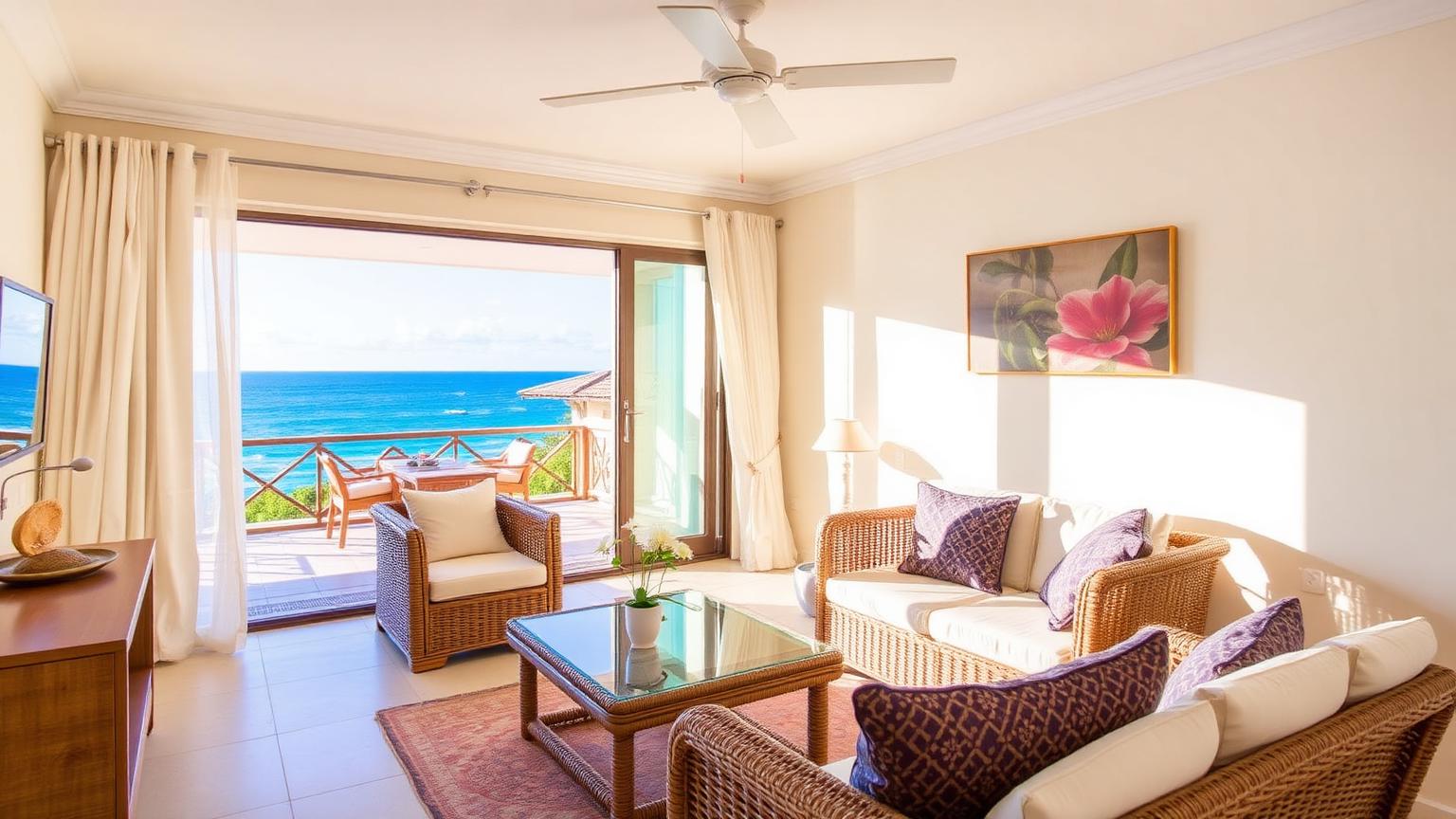
Running a short-term rental in Mauritius, whether marketed through Airbnb or similar platforms, generally requires registration or a licence from the Mauritius Tourism Authority, adherence to standards set for tourist accommodation, and proper declaration of rental income for tax purposes. Returns vary widely by location and how professionally the property is managed, so this is best approached as a small hospitality business rather than a passive investment.
Is Short-Term Letting Legal in Mauritius?
Short-term letting of residential property to tourists is permitted in Mauritius but sits within a regulatory framework designed to maintain accommodation standards and collect the appropriate taxes and levies.
- Property owners letting out units on a short-term, tourist basis are generally expected to register with or obtain approval from the relevant tourism authority, which can involve meeting basic standards around safety, furnishing and hygiene.
- Requirements and thresholds have been refined over time, including guidance aimed specifically at platforms like Airbnb, so owners should check current rules with the Tourism Authority or a local advisor before listing, rather than relying on older information.
- Foreign owners of PDS or Smart City units are typically permitted to let their property short-term, but should check whether their specific estate's internal rules (see below) impose any restrictions.
Estate and Condominium Rules
Beyond national regulation, many managed developments impose their own rules on short-term letting through their syndic or estate management, since neighbours in owner-occupied units may prefer to limit tourist turnover. Before buying with short-term letting in mind, whether from our buy listings or a unit within new developments, it is worth confirming in writing whether short-term rentals are permitted, and whether any minimum stay or registration process applies within that specific estate.
Tax Treatment of Rental Income
Rental income earned in Mauritius, including from short-term letting, is generally subject to Mauritian income tax, with the specific rate and any deductions or allowances depending on the owner's tax residency status and the current legislation in force. Owners should also be aware that:
- Rental income should be declared, and appropriate returns filed, regardless of whether the owner is resident in Mauritius or overseas.
- Deductible expenses typically include property management fees, maintenance, and other costs directly linked to generating the rental income, though the precise rules should be confirmed with a Mauritian tax advisor or accountant.
- Owners who are also tax resident elsewhere should check how their home country treats foreign rental income and whether any double tax treaty applies, since this varies by country of residence.
Because tax rules and rates change, treat any percentage or threshold you encounter in general reading as indicative, and confirm the current position with a qualified advisor before finalising your financial projections.
What Drives Returns
Short-term rental returns in Mauritius are not uniform across the island; they depend heavily on a combination of factors:
Location
Areas with strong existing tourist footfall and amenities — such as Grand Baie and the wider north coast, or established west coast spots — tend to command higher occupancy and nightly rates than more remote locations, though quieter areas can perform well if marketed toward a specific niche (surfers, remote workers, families seeking calm). Our comparison of Grand Baie and Tamarin covers some of these lifestyle and demand differences in more depth.
Property Quality and Presentation
Professional photography, comfortable and well-maintained furnishings, reliable WiFi, air conditioning, and a well-equipped kitchen all influence both occupancy and the nightly rate a property can command, often more than the underlying property's finish level alone.
Management Standard
Response time to enquiries, cleanliness between stays, and how well maintenance issues are handled all affect guest reviews, which in turn strongly influence future bookings on platforms driven by ratings. Owners not based in Mauritius, or without time to manage this themselves, often engage a local property management service to handle guest communication, cleaning, check-in and maintenance.
Seasonality
Mauritius has clear high and low tourist seasons, with demand typically stronger during the cooler, drier months and around key holiday periods, and softer during the cyclone season. Owners should budget on an annualised occupancy basis rather than assuming peak-season rates apply year-round.
Estimating Returns: A Cautious Approach
Because so much depends on location, presentation and management, published "average yield" figures for Mauritius short-term rentals should be treated with caution. A more reliable approach for a prospective buyer is to:
- Look at comparable listings in the specific area and property type you are considering, checking realistic achieved rates rather than only advertised rates.
- Build a conservative occupancy assumption, factoring in low season and any vacancy between guest turnovers.
- Deduct realistic costs: management or platform fees, cleaning, utilities, maintenance, insurance, and applicable taxes.
- Compare the resulting net figure against long-term letting returns achievable via rent listings for the same property type, since long-term letting offers steadier but usually lower gross income with less operational involvement.
Setting Up and Running a Listing
- Registration first. Confirm and complete any required tourism authority registration before listing publicly.
- Insurance. Check that your property insurance covers short-term letting use, since standard residential policies do not always extend to this.
- House rules and guest vetting. Clear house rules, a security deposit where platform tools allow, and reasonable guest screening reduce the risk of damage or disputes.
- Local compliance support. Utilities, waste collection and any homeowner association dues should be budgeted for as ongoing costs regardless of occupancy.
- A management plan. Decide early whether you will self-manage, which requires being responsive to guests and available for turnovers, or engage a local manager, and price this into your return projections from day one.
When Short-Term Letting May Not Be the Right Fit
Short-term letting is not the best strategy for every owner or every property. If you want a hands-off investment, are not based in Mauritius and cannot dedicate time to selecting and overseeing a manager, or if your chosen estate restricts or discourages short-term guests, a long-term rental via our rent listings, or straightforward capital appreciation and eventual resale via sell, may better match your goals.
Talk to Olaya Properties
If you are weighing up short-term letting for a Mauritius property, Olaya Properties can advise on which areas and property types tend to perform best for this strategy, help you understand realistic income expectations, and connect you with our property management service to handle day-to-day operations.
Contact us via our contact page, call +230 5511 1510, or email sales@olaya.mu to discuss your rental strategy.